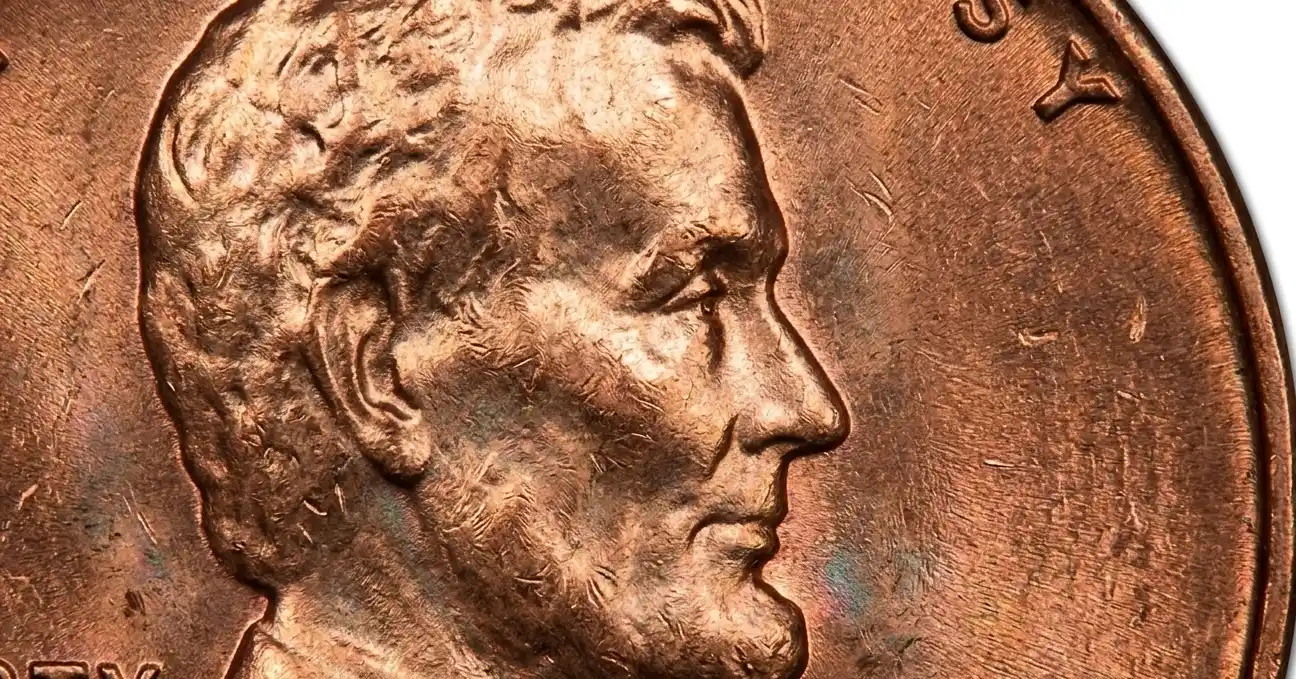
Copper preservation, spotting, and strike sharpness decide whether collectors pay attention.
Circulated pennies remain common, yet gem-quality specimens command distinct market prices.
Investors prioritize technical metrics, ignoring sentiment in favor of raw data.
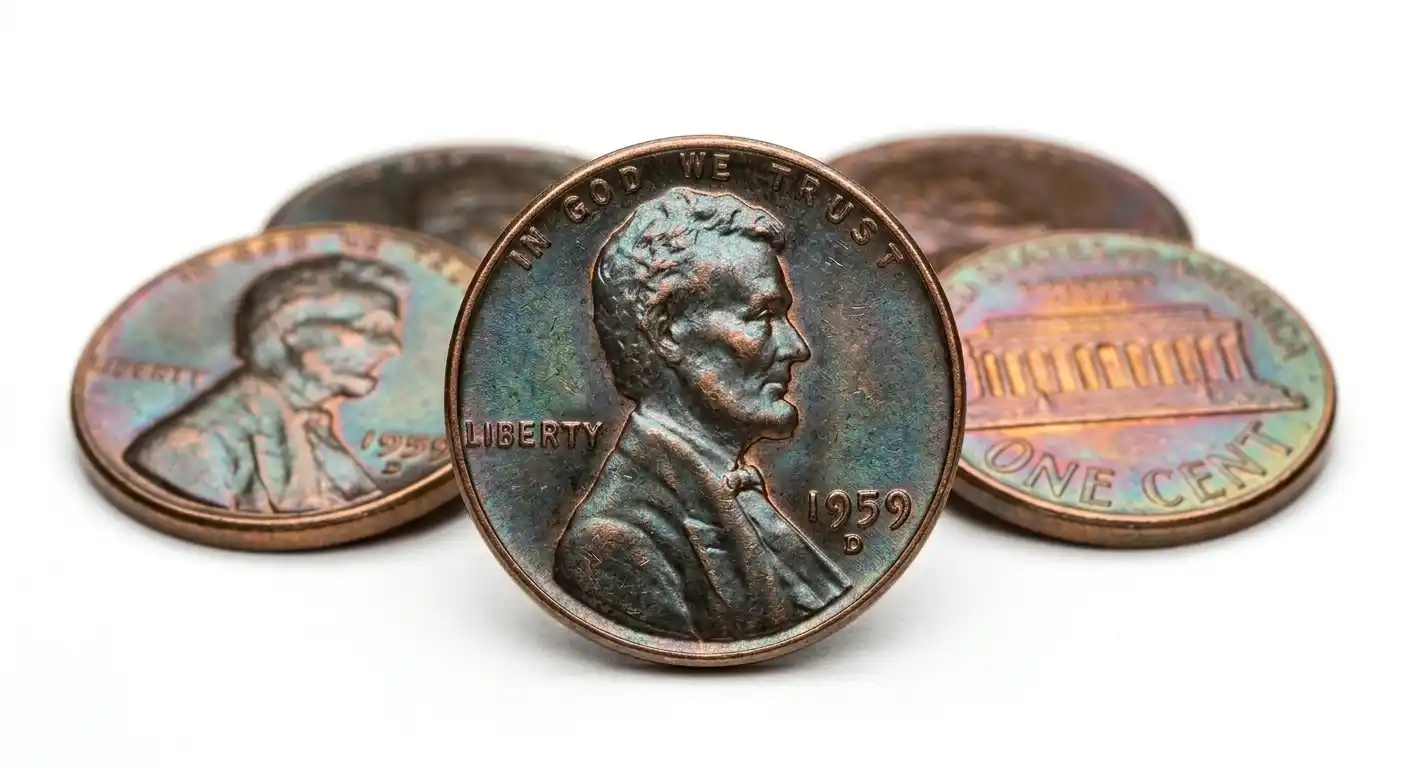
Market 1959 penny D value relies on surface integrity, avoiding mistakes made by amateur handlers.
Physical Specifications and Composition
Material composition requires focus for proper storage and assessment.
Metric | Data |
Diameter | 19.05 mm |
Weight | 3.11 grams |
Base metal mixture | 95% red metal |
Additional metal mixture | 5% white metal |
Historical Context of Production
Denver mint operations in 1959 output high volumes of these assets.
Mass production typically correlates with lower individual rarity for circulation strikes.
Quality control procedures during this era varied significantly between production shifts.
Distribution channels pushed these items directly into everyday commerce.
Widespread circulation resulted in heavy wear across most of the existing population.
Finding pristine items demands rigorous search criteria.
Surface Preservation Factors
Oxidation patterns frequently affect market appeal for red metal assets.
Dark spots, often called carbon spots, negatively impact liquidity.
Microscopic abrasions, emerging from improper storage or handling, reduce grade potential.
Field clarity serves as a primary driver for high valuations.
Lack of circulation wear remains a mandatory condition for premium pricing.
Assessment protocols require a coin identifier app to identify surface integrity issues.
Uniform color distributions add value to specific lots.
Natural patina, formed over long periods, occasionally increases desirability.
Chemical cleaning, destroying the original protective surface layer, removes all market value.
Professional buyers avoid all treated or cleaned specimens.
Production Standards and Strike Quality
Die impact intensity defines relief sharpness.
Weak strike quality leads to soft details, discouraging serious participation.
Strong die pressure creates high-relief imagery, signaling superior manufacturing.
Minting Process Variable
Die spacing adjustments → Relief depth variance
Planchet hardness → Strike definition
Press pressure settings → Edge sharpness
Manufacturing Anomalies
Errors occurring during production cycles create unique asset classes.
Double Die
Design elements exhibit ghosting or doubling from inaccurate die positioning.
Values for these items increase by 40% over standard specimens.
Off Centre
Imagery shifts relative to planchet borders due to incorrect placement.
Final price depends on how much design remains visible on the metal surface.
Die Clash
Averse die patterns appear on reverse fields from firing without planchets.
Rare instances trigger intense bidding among specialized market participants.
Market Value Dynamics
Historical price growth remains consistent for high-grade assets.
Data for MS65 grade specimens shows specific trends:
2024 price: $35 per unit.
2025 price: $42 per unit.
2026 price: $50 per unit.
Average annual growth calculates to 18% based on recent auction performance.
Institutional buyers prefer certified assets from verified grading entities.
Valuation for MS67 specimens often exceeds $200 per unit.
Price gaps between MS65 and MS66 grades reach 60% due to scarcity of higher grades.
Undamaged surfaces justify these premium costs.
Professional Certification Protocols
Certification ensures objectivity for asset verification.
Independent experts examine authenticity and metal condition under standardized lighting.
Documented grades improve liquidity for assets of this type.
Sheldon scale placement determines rank within the hierarchy of quality.
Buyers trust certification results more than visual assessments without documentation.
Grading service fees align with final asset value.
Verification of serial numbers minimizes risk for investors.
Strategic Investment Guidelines
Acquisition demands adherence to strict selection criteria.
Focusing on MS66 grades and higher provides potential for long-term profit.
Analyzing past sales of specific coin types prevents overpayment.
Controlled lighting reveals hidden imperfections during pre-purchase coin value app inspection.
Standardized equipment ensures accurate valuation.
Provenance from previous auction results increases asset reliability.
Portfolio diversification involves varying years and mint facilities.
Market trend monitoring enables agile strategy adjustments.
Field Assessment Methodology
Fields occupy significant portions of the surface area.
Damage to fields drastically lowers assigned grades.
Vertical lighting reveals scratch density effectively.
Angled observation evaluates metal luster quality.
Hairline marks appear frequently on coins stored in harsh environments.
Perfect fields signal zero mechanical impact during history.
Experts prioritize items retaining original mint luster.
Denver Mint Production Nuances
Denver facility output dominated production in 1959.
Specific mint mark styles identify original Denver production.
Quality control remained high for the facility during this period.
Most items entered circulation immediately upon release.
Identifying circulation-avoided items constitutes the primary challenge for experts.
Manufacturing quality differences between mints influence market price outcomes.
Detailed knowledge of production helps differentiate assets from commodities.
Design Detail Inspection
Central design elements receive priority during examination.
Wear shows on high-relief areas early in the coin lifespan.
Micro-detail presence confirms high-quality die usage.
Absence of friction signs confirms non-circulation status.
Comparing assets against reference photos assists quality identification.
Thorough inspections detect evidence of improper storage.
Detail orientation differentiates experts from casual participants.
Future Market Projections
Market analysis indicates sustained demand for top-grade assets.
Price stability in MS66 and higher segments persists.
Projections indicate 10% value increases in upcoming periods.
Numismatic markets exhibit resilience against short-term economic fluctuations.
Institutional players maintain significant reserves of certified assets.
Investments in these assets require patience and data analysis.
Gradual depletion of high-quality circulation-avoided inventory increases prices.
Unique error specimens gain value faster than standard issues.
Risk Mitigation Strategies
Purchasing without inspection introduces financial risks.
Expectations for grade attainment often exceed actual results.
Hidden scratch presence remains the primary valuation obstacle.
Misidentifying coin grades leads to capital losses.
Mismatch between certificates and physical assets requires immediate verification.
Price comparison against similar lots protects against overpaying.
Recognizing non-linear market behavior supports successful outcomes.
Disciplined approaches to each transaction minimize risks.
Evaluation Results
Market value correlates directly with technical asset condition.
Detailed surface analysis determines success for participants.
Investing in high grades ensures predictable capital appreciation.
Professional certification remains mandatory for reliable transactions.
Mechanics understanding of price formation prevents poor decisions.
Adherence to standards ensures investment security.
Evaluation processes require dedicated time and attention.
Specialized production knowledge serves as a tool for profit generation.
1959-D market offers opportunities for systemic investment.
Successful transactions rely on objective data and disciplined execution.